
Jul 2, 2026
Optimising Perimeter Security: Integrating the DJI AS1 Speaker into Matrice 4 Operations
Operating a remote commercial asset under a UK Operational Authorisation requires a cold assessment of platform weight and electrical performance constraints. Deploying a platform with a 1219g takeoff mass across a multi-mile security boundary means every added gram impacts your airtime directly. Adding the lightweight audio accessory introduces specific tactical options for security teams but alters your power calculations.
Commercial perimeter safety cannot rely on marketing descriptions or unverified flight metrics. When you stand on a frozen gravel track with numb fingers trying to execute a security sweep, minor specification changes become major operational bottlenecks. The reality of commercial operations requires strict consistency and automated administrative structures to remain profitable.
Technical Analysis of the Audio Payload Integration
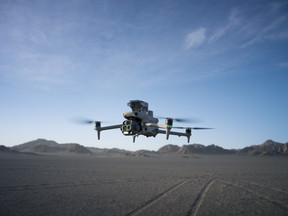
The physical profile of the accessory changes how the platform handles in high-velocity industrial environments. Weight control is the core metric here. The total weight of this audio accessory is exactly 92.5g including the mounting bracket. This means the system stays well within the maximum payload allowance of 200g for the airframe.
Power management requires a realistic look at current draw during active broadcasting. The system draws a maximum of 15W when emitting high-volume voice transmissions or alert tones. This power comes directly from the primary flight batteries, accelerating voltage sag in cold weather. You will face a reduced operational window when using active audio alerts repeatedly.
Sound pressure levels determine the effective operational boundary of a remote patrol. At a distance of 1 metre, the assembly hits a maximum volume of 114 decibels. This translates to an effective real-world broadcast distance of approximately 300 metres under clear conditions. Background industrial noise from heavy machinery or processing plants will clip this distance down significantly.
If you are looking to expand your operational security fleet or select new remote hardware combinations, browse the complete hardware options at the
. Dronedesk Shop
Operational Realities on the Perimeter Fence Line
Wind resistance and airframe stability are heavily altered when mounting top-heavy custom accessories. The manufacturer documents a maximum wind resistance of 12 metres per second for the base platform. However, the physical surface area of the loudspeaker creates aerodynamic drag during lateral movements. Your battery life will drop faster when fighting a coastal headwind.
Freezing rain presents a regular hazard for contract security teams in the United Kingdom. The airframe carries an IP55 ingress protection rating and features a built-in anti-icing layer on the 12.9-inch propellers. This allows operations to continue in heavy downpours, but the audio output clarity degrades if water pools inside the speaker cone.
Transmission stability depends on clear line of sight between the remote controller and the aircraft antennas. The system relies on the O4 transmission framework, operating across standard frequencies. However, massive steel structures, concrete bunds and industrial tanks create severe signal reflection boundaries. Real-world testing shows transmission range drops from the advertised maximums down to a few hundred metres in highly built-up environments.
Automated Flight Paths and Repeatable Security Methods
Deploying automated security patrols requires strict adherence to predefined paths to ensure safety and repeatability. Operators control the camera system and the audio broadcast through the mobile application interface. The firmware supports real-time voice broadcasting alongside text-to-speech functionality. This lets a ground controller type a command and have the platform repeat it instantly over a target location.
Repeatable operations must be built out carefully using step-by-step checklists to eliminate pilot error. The software allows operators to establish strict flight geometries and safety boundaries before the aircraft takes off. This is particularly important when flying near hazardous infrastructure where an uncoordinated deviation results in immediate asset damage.
Managing the Admin Hangover and Regulatory Audits
Every commercial flight creates an immediate administrative tail that can overwhelm a small operating team. Tracking individual battery charge cycles across a multi-drone fleet is a standard regulatory requirement. The flight logs must match your maintenance records perfectly to satisfy the Civil Aviation Authority during an unannounced operational audit.
Spontaneous security tasking often bypasses traditional slow planning methods, creating massive compliance backlogs. If a perimeter breach occurs, the safety manager must document the air risk class and ground risk parameters instantly. Manual record-keeping leads to faded signatures, missing logs and data discrepancies that put your operational status at risk.
Using an integrated operational framework solves the invisible drain of unbillable office hours. The platform automates data aggregation, syncing flight logs directly from your equipment to the secure cloud server. This structure keeps your commercial operation fully compliant while allowing the team to focus on real security outcomes.
Upgrade your commercial hardware capabilities today at the
and ensure total regulatory compliance across your entire team using the Dronedesk software programme. Dronedesk Shop