
Jun 1, 2026
Autonomous Operations under UK Skies: Deploying the DJI Matrice 4D and Dock 3 within CAA Frameworks
Industrial site managers face a relentless logistical headache trying to keep multi-point asset checks on a rigid 24-hour timeline. Traditional manual data capture demands that a team physically transport equipment to the asset location, unpack the kit, swap structural modules, and wait out unforgiving downpours. This constant field mobilization drains engineering hours, inflating the operating costs of routine infrastructure validation. Moving from reactive, human-guided flight schedules to pre-programmed, machine-hosted inspection loops flips this dynamic entirely.
Deploying an uncrewed platform that lives outside, charges itself, and spins up to fly without a pilot on-site requires looking past glossy marketing sheets. You need clear technical performance metrics, true industrial weather ratings, and a reliable compliance strategy that satisfies the Civil Aviation Authority (CAA). Transitioning to remote automated operations inside the UK regulatory framework demands a meticulous blueprint, balancing raw hardware capability with bulletproof audit trails. While Dronedesk Shop provides this exact flagship hardware lineup to get your fleet into the air, Dronedesk acts as the regulatory cockpit, allowing you to manage every aspect of your drone operations in one app.
Weatherproofing the Remote Hangar: Hardware Realities in British Climates
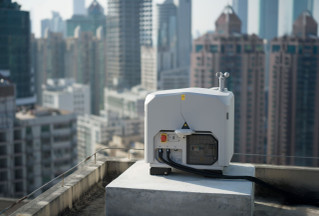
The DJI Dock 3 is engineered from the ground up to endure extreme environmental swings, boasting a certified IP56 ingress protection rating. This build standard allows the terminal to remain fully operational in temperatures ranging from -30° C to 50° C. An intelligent internal climate control system manages the ambient air around stored electronics and charging bays, ensuring sensitive components never cross thermal thresholds. Water drainage occurs naturally due to a clever slanted surface layout, preventing standing water from freezing over the mechanical shell covers on cold winter nights.
Pairing this automated nesting station with the specialized DJI Matrice 4D or thermal-focused Matrice 4TD changes your deployment limits. The airframe carries an IP55 dust and water resistance score, a significant step forward from hand-portable equipment that must be packed away at the first sign of drizzle. Foldable low-noise propellers feature a dedicated anti-ice layer, preventing ice buildup from distorting aerodynamic profiles during winter flights.
-
Wind Resistance Limit: 12 m/s maximum during both takeoff and landing phases.
-
Maximum Flight Boundaries: Covers up to a 10 km operational radius from the base station.
-
Airframe Endurance: Delivers up to 54 minutes of forward flight or 47 minutes of steady hovering.
-
Propulsion System Build: Large 12.9-inch blades engineered specifically for high-wind stability.
The charging bay inside the shell is heavily optimized to keep turnaround times minimal. Utilizing a direct 35V DC fast-charging bus, the station restores the platform from 15% to 95% battery capacity in just 25 minutes. This performance is maintained by a specialized air-conditioning link that interfaces directly with the airframe's side cooling ducts, rapidly cooling the cells down immediately after landing so charging can begin without an idle cooldown window.
Navigating the Optical Matrix: Zoom, Thermal and Night Assist
The core imaging array on the Matrice 4D series utilizes advanced sensor structures to split data acquisition across three separate internal optics. A 4/3 CMOS wide-angle camera capturing 20 MP sits alongside a medium tele-camera running a 1/1.3-inch sensor that shoots clear 48 MP files. This optical combo makes road signs and safety labeling legible from a distance of 250 metres. For asset managers checking power transmission paths or perimeter fences, this resolution means spotting structural degradation without moving the airframe dangerously close to metal work.
Opting for the Matrice 4TD replaces the standard array with a highly specific sensor package built for security, emergency services and infrastructure validation. This configuration mounts a 48 MP wide camera, a 48 MP medium telephoto option and an upgraded uncooled VOx microbolometer thermal engine. The infrared camera features a 1280x1024 photo resolution, quadrupling the pixel count of legacy enterprise payloads. A near-infrared (NIR) auxiliary illumination light complements the vision system, slicing through heavy shadows up to 100 metres away in absolute darkness.
-
Activate Night Scene Mode: Toggling this filter updates low-light processing pathways across front and rear fisheye sensors.
-
Engage Linked Zoom: Visible and thermal streams scale side-by-side on your remote control system or browser monitor.
-
Deploy Intelligent Change Detection: Algorithms compare data from past loops to highlight new structural anomalies instantly.
Transmission clarity matches the sensor updates due to an enhanced eight-antenna matrix running the newer O4 Enterprise signal standard. If local geographic obstacles disrupt direct link connectivity, the system deploys an advanced Airborne Relay configuration. One standard fleet aircraft hovers high above the valley floor to serve as an active signal repeater, dynamically tracking the primary operation platform to ensure video and control lines remain clear across massive elevation changes without requiring 4G network coverage.
The Auditable Path: Clearing the UK Regulatory Hurdles
Flying an automated station without a physical pilot behind the controller requires specific operational permissions via a CAA Operating Authorization. Moving from standard visual line of sight (VLOS) into complex beyond visual line of sight (BVLOS) scenarios demands complete hardware and data compliance. The system supports full on-premises deployment via the DJI FlightHub 2 All-in-One server option, satisfying strict data sovereignty rules for critical national infrastructure projects. An integrated dynamic Home Point refresh loops constantly through triple-mode GNSS arrays to keep remote recovery coordinates precise.
The real friction when scaling automated operations is not the flight path itself, it is the mountain of paperwork needed to prove compliance. Operating an enterprise fleet across utility sites means every battery state, maintenance step and flight hour must be perfectly preserved. Manual data tracking falls short when an inspector asks for your maintenance history.
This admin barrier is where Dronedesk coordinates your entire operation. By syncing flight records directly from your hardware platforms via background DJI cloud integrations, Dronedesk software replaces messy spreadsheets with an auditable operations center. It provides your management team with a clean overview of airframe status, tracking total flight hours, dynamic location updates and maintenance deadlines seamlessly.
The software includes the full UK CAA PD01 risk assessment structure built right into the platform alongside standard 5x5 matrix modules. Instead of spending hours cross-referencing aviation charts and local constraints, operators can map custom flight geographies, contingency volumes, and ground risk buffers onto automated mapping layers within 15 minutes. This streamlined approach allows enterprise users to generate submission-ready CAP 722 documentation packages, ensuring your business can increase team safety, productivity, and compliance to breeze through your next CAA audit.
Fleet Optimization: Tracking Hardware Lifespans and Battery Longevity
The Matrice 4D utilizes long-life 149.9 Wh power packs that deliver 400 charge cycles before cell degradation prompts replacement. This extended lifespan doubles the durability of legacy hardware, dropping your long-term capital expenditure numbers significantly. The dynamic battery station steps power up or down automatically, cycling through four individual packs in sequence and offering a standby storage preset that holds cells at a stable 90% state of charge (SOC) to preserve cell health.
Using Dronedesk ensures these hardware lifespans are tracked accurately without relying on your field technicians remembering to write them down. Every automatic deployment updates your central asset management database instantly. If a specific power pack shows a spike in cell balance variation or passes its 50-cycle inspection limit, the software highlights the item on your dashboard. This visibility allows fleet managers to schedule component updates before a bad module triggers a battery fail-safe on an infrastructure job.
Pre-flight risk management becomes structured when your site data is centralized. Dronedesk allows teams to build specific task configurations, pinning flight restriction zones (FRZs) and custom safety buffers directly onto mapping displays. This step ensures that every automated route follows your approved operations manual precisely. Remote staff receive automated text alerts containing direct job sheet links, letting them verify local weather and site conditions before the terminal hatch slides back.
Next Steps for Automated Fleet Integration
Transitioning your business infrastructure to an uncrewed platform requires a disciplined shift in your standard operating procedures. Moving from manual field deployments to automated routines cuts down on site preparation work, allowing team operators to pivot from handheld stick tracking to broad mission analysis. Procuring the DJI Dock 3 and Matrice 4D series from Dronedesk Shop provides you with industrial-grade engineering designed for heavy workloads. Ready to centralize your scheduling, asset logging, and flight compliance under a single unified environment? Secure your hardware lineup today and manage your operational back-end by initiating a