
May 29, 2026
Spontaneous Emergency Response: Deploying the Matrice 4T and Payloads for Public Safety Operations
Fixing a pair of radio transponders onto a tactical fleet rack while radio chatter crackles from the precinct command desk underscores the intense nature of modern public safety operations. For blue-light teams, police air support groups, and voluntary rescue services, managing unpredicted operations means racing against a relentless clock. Locating a high-risk missing person or evaluating a rapidly spreading industrial incident requires equipment that strips away setup friction. Delays caused by cold hardware startups, missing terrain data, or unlogged pilot logs directly degrade the situational clarity required by command staff. Relying on an agile airframe engineered for spontaneous deployment reshapes how an entire section responds to a critical incident. With the arrival of the specialized Matrice 4T platform alongside integrated modular extensions, public safety teams gain the power to secure immediate aerial command loops. Transforming these field capabilities into a sustainable asset framework, however, demands clean compliance administration to protect your ongoing flight permissions from regulatory penalties.
Tactical Field Deployment Protocols
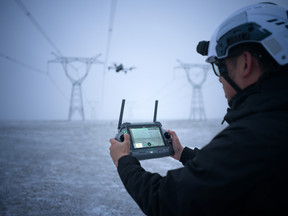
Speed of implementation remains the single most critical index for any spontaneous public safety launch. Legacy enterprise heavy-lift systems frequently cost teams valuable minutes on site due to bolt-on arms, separate payload balancing, and extended software boot sequences. The Matrice 4T addresses this friction via a unified structural layout where the arms unfold instantly, allowing a single emergency crew member to transition from a vehicle transport case to an active take-off configuration inside a 15-second window.
Power deployment is equally optimized for instant field mobilization. Cold starting the airframe triggers an accelerated avionics warm-up loop, enabling the dual RTK modules to lock onto GNSS constellations almost instantly without requiring field positioning base stations to settle for prolonged periods. If ground conditions prevent safe launching, the system supports stable ship-based or vehicle-adjacent launch parameters, preserving options when terrain limits conventional operations.
Component Architecture and Environmental Layout
To ensure structural data formatting is easy to read, transfer, and copy between different shift logs and digital incident logs, the core technical parameters of the emergency response kit are detailed below.
Airframe Build and Weather Restrictions
-
Environmental Sealing: The hull carries an official IP55 ingress protection layer, preventing motor damage or core computer shorts when operating through persistent British downpours and mountain sleet.
-
Operational Thermal Range: Internal climate controls enable system reliability in temperatures ranging from negative 20 degrees Celsius up to 50 degrees Celsius, covering extreme winter call-outs.
-
Rotor Assembly Tuning: Features specialized aerodynamic low-noise folding blades that allow discrete, quiet monitoring during sensitive urban enforcement tasks.
-
Maximum Horizontal Speed: Delivers an open-air cruise capability of up to 21 m/s (47 mph) to bridge distance gaps over rugged landscapes rapidly.
Payload Arrays and Sensor Elements
-
Primary Visual Zoom: Carries an upgraded 48-megapixel starlight camera offering 7x optical magnification and up to 56x hybrid capability, allowing structural identification from safe distances.
-
Thermal Array Core: Integrated uncooled microbolometer sensor featuring a 640 by 512 resolution layer, complete with automated electronic dehazing logic to pierce through heavy smoke plumes or winter mountain fog banks.
-
Laser Positioning Array: Integrated rangefinder capable of pinpointing geographical positions and calculating precise multi-point grid coordinates at a target distance of up to 3,000 metres.
-
Night Scene Enhancements: Natively runs an upgraded black-and-white night vision capture loop designed to extract clean outlines from low-ambient environments.
Tactical Expansion Rigging
-
AL1 Illumination Module: High-intensity tactical spotlight that interfaces directly with the drone gimbal axis, allowing synchronized illumination matching the camera sensor line of sight over a 1,300 square metre footprint.
-
AS1 Audio Broadcaster: Long-range real-time voice speaker featuring an anti-howling digital loop to transmit emergency commands or safety instructions to isolated individuals.
Piercing the Darkness: Zenmuse Integration on Site
Deploying under total cloud cover in the Peak District or inside unlit structural settings requires sensory tracking that bypasses human optical limits. Standard visual tracking breaks down under heavy smoke, forcing teams to rely on the thermal core. The multi-sensor payload architecture of the Matrice 4T pairs a starlight-grade wide visual sensor directly with the long-wave thermal imaging matrix. Responders can monitor side-by-side streams on the primary remote, matching geometric surface details with thermal heat anomalies seamlessly.
The digital processing engine changes how thermal searches are executed on site. Responders can set temperature threshold tracking limits via the pilot interface, triggering immediate notifications on the ground controller if an anomaly breaches the background base value. When tracking through woodland canopy or along steep river gorges, this high-resolution sensor cuts through particulate interference, resolving tiny thermal signatures that older, lower-resolution starlight hardware would overlook.
Target marking uses the integrated laser rangefinder loop to remove structural ambiguity. When a subject is spotted in dense foliage, pressing a button on the smart controller locks a precise position marker that automatically synchronizes across the operational network. This pinpoint location loop calculates coordinates instantaneously, allowing ground crews to navigate directly via exact coordinates rather than broad, speculative search patterns.
Streamlining Emergency Authorisations via Dronedesk
Spontaneous operational environments are highly prone to administrative oversights that pose significant regulatory risks under CAA oversight. When an active search begins, pilots must determine proximity to nearby flight restriction zones, track low-level overhead pylons, and compile a clear log of motor times to satisfy CAP 722 standard requirements. Attempting to manage this administrative data trail on soggy clipboards or scattered messaging threads during an active incident introduces severe data gaps that threaten a team's ongoing operational permission.
This is why implementing
The platform provides your team with an unshakeable electronic compliance blueprint on-site:
-
Immediate validation checks cross-reference localized permanent aerodrome traffic zones and active temporary flight restrictions all in one place.
-
Tracking airframe and component flight times, highlighting structural inspection needs after high-moisture call-outs.
-
Standardized, auditable flight records are compiled instantly, keeping your post-incident analysis clear of regulatory pushback.
Tactical Safety Architecture: Hardware Meets Software
Proper operational response cannot rely on excellent aviation components alone. Buying advanced heavy-lift multi-sensor systems without establishing equivalent digital data control loops creates massive deployment friction, leading to delayed rollouts and eventual logistical compliance failure. True operational efficiency happens when equipment deployment matches smart back-end planning. By combining the rapid, all-weather mechanical response of the hardware with an automated operations management platform, your organization eliminates logistical lag, extends component life spans, and gives your incident response team complete freedom to focus on protecting lives.
If your agency or team is mapping out an upgraded emergency response infrastructure and needs to source verified technical specifications or deployment kits, browse our full