
May 26, 2026
DJI Matrice 4 vs Matrice 4D: The True Operational Cost of Autonomous Docking vs Manual Field Ops
Rain bouncing off a high-vis jacket while you check an anemometer on a remote site is a sharp reminder of how unpredictable UK commercial operations can be. For enterprise stakeholders and fleet managers overseeing structural assets, these weather-induced pauses represent a significant drain on resources. Uncollected data, idled specialist crews, and delayed reporting quickly disrupt tight project timelines. Equipment choice plays a direct role in widening or narrowing these operational windows. With the introduction of the standalone Matrice 4 aircraft alongside its automated counterpart, the Matrice 4D, organizations faces an important technical fork in the road. Selecting between mobile, human-deployed hardware and a permanently stationed, automated enclosure system shapes how you will structure your capital, logistics, and site personnel over the coming years.
Understanding the Structural Split
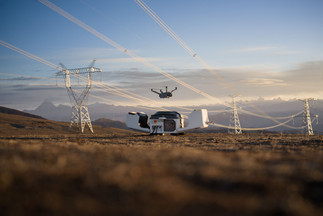
DJI engineered these two distinct airframes with identical sensor DNA but entirely conflicting operational frameworks. The standard Matrice 4 model is a highly compact, foldable quadcopter prioritizing tactical on-site mobility. It folds up tightly, tips the scales neatly, and is built around manual field packing. On the flip side, the Matrice 4D variant is explicitly built as a dock-ready unit designed to survive, charge and launch out of the rugged DJI Dock 3 base station. You can operate the 4D model manually with a standard smart controller, but its structures are inherently up-armoured to survive 24/7 deployment in punishing microclimates.
The physical build highlights these diverse intentions. Propellers on the Matrice 4D are expanded 12.9-inch low-noise structures integrated with a custom anti-icing layer. If your mission requires flying through freezing coastal rain or winter mountain fog, that anti-ice chemistry keeps the airframe clear of lift-killing ice accumulation. The standalone Matrice 4 model uses smaller, standard blades without active surface warming, making it highly dependent on mild conditions.
Weather protection highlights the widest practical gulf between the two systems. The dock-dependent Matrice 4D carries a fully certified IP55 ingress protection rating across its entire hull. This means heavy rainfall, sandstorms and particulate dust cannot breach the core avionics bay during high-velocity flights. Standard manual variants lack a confirmed waterproof ingress rating, meaning a heavy cloudburst over a Welsh valley will instantly force an immediate precautionary landing to preserve internal electronic stability.
Core Specifications and Environmental Thresholds
To assist with formatting compatibility across all project management and logging systems, the operational and structural differences are detailed below as clear, text-based specifications.
Environmental Protection and Propulsion
-
Matrice 4 Series Weather Protection: Standard build without a formal moisture ingress rating, necessitating dry or mild deployment windows.
-
Matrice 4D Series Weather Protection: Certified IP55 dust and water ingress rating, allowing operations through active downpours, sleet and high-particulate environments.
-
Matrice 4 Series Rotor Assemblies: Standard folding blades optimized for low-mass portability and straightforward packing.
-
Matrice 4D Series Rotor Assemblies: Upgraded 12.9-inch low-noise propellers treated with an active anti-icing surface layer to safeguard lift during freezing coastal rain.
Energy lifecycles and Performance Parameters
-
Matrice 4 Series Battery Longevity: Standard cell composition rated for approximately 200 service cycles before active degradation spikes.
-
Matrice 4D Series Battery Longevity: Overhauled high-voltage chemical structure engineered for rapid charging, handling 400 complete cycles before capacity dips past optimal operating limits.
-
Aircraft Flight Velocities: Both platforms achieve an identical maximum forward flight speed of 21 m/s (approximately 47 mph).
-
On-Site Operational Readiness: Standalone manual configurations require 3 to 5 minutes for unfolded hardware checks, whereas the automated station configuration launches the 4D frame inside a 15-second window from a cold start.
Signal Infrastructure and Automation Capacity
-
Matrice 4 Series Transmission Network: Standard four-antenna array using the legacy O4 Enterprise transmission loop, relying strictly on clear terrestrial line of sight.
-
Matrice 4D Series Transmission Network: Expanded eight-antenna layout featuring a 2T4R configuration, natively supporting cross-mountain Airborne Relay stability to bypass physical obstacles.
-
Fleet Management Operational Mode: Standalone manual setups rely entirely on field crews for multi-battery missions, whereas the 4D setup supports 24/7 continuous standby automated schedules.
The Financial Realities of Power and Cycle Ingestion
Battery lifecycle engineering determines your actual per-flight operational cost far more than initial purchase figures. Standalone airframes share battery profiles with the lightweight, legacy enterprise configurations. These power cells are rated for approximately 200 service cycles before active voltage drop triggers an asset retirement warning on your controller. At this threshold, internal impedance spikes, meaning flight durations plummet under heavy motor loads.
The Matrice 4D power system uses a completely overhauled cell chemistry. These high-voltage cells are designed to absorb automated rapid charging inside the dock environment, handling up to 400 complete charge cycles before capacity degrades past acceptable safe flight margins. This exactly halves your battery depreciation costs over a long-term capital deployment.
Thermal management also differs significantly. The Matrice 4D incorporates specialized side cooling ducts engineered to link up with the active climate control system of the automated station housing. When the station closes its weather doors, internal air conditioning regulates internal battery temperatures, preventing degradation during searing summer afternoons or freezing nights down to negative 30 degrees Celsius. Manual fleet operations require your on-site team to manually shelter, warm or cool batteries between sorties using active vehicle heaters or passive insulating cases.
Signal Resilience in British Topography
Operating across complex terrain like Scottish hill tracks or deep quarry faces presents severe radio propagation challenges. Standalone airframes use a standard four-antenna array utilizing the classic O4 Enterprise link transmission framework. This operates flawlessly with line-of-sight conditions over flat surfaces but cuts out rapidly when structural concrete, steel power pylons or steep granite hills break the direct signal vector.
The Matrice 4D is integrated with an advanced eight-antenna network using a complex 2T4R transmission layout. This platform configuration supports airborne relay operations natively via DJI FlightHub 2 software control loops. If you need to map a valley out of direct line of sight, you can launch a secondary 4D airframe to sit at altitude as a high-flying transponder station. The relay unit shifts its heading autonomously to follow the low-altitude operational asset, maintaining clean 1080p/30fps video transmission even in deep signal shadows or remote dead zones completely devoid of mobile 4G connectivity.
Sensing arrays have been up-armoured to match. Manual versions carry multi-directional optical sensors, but the 4D infrastructure version steps up to front and rear low-light fisheye lenses paired with a bottom-mounted millimetre-wave radar. This radar detects thin objects, meaning 12mm steel-core overhead power strands are identified and safely bypassed even if your automated mission runs in near-total darkness.
Integrating Compliance Architecture With Dronedesk
Transitioning from manual flight operations to a perennially deployed automated system causes a massive compliance bottleneck if you rely on archaic Excel logs. Automating the actual flight is simple, but documenting it to satisfy Civil Aviation Authority guidelines requires robust digital systems. If a standalone unit flies, your pilot notes the battery serial, inputs the area airspace warnings, records the take-off time and signs the risk assessment on paper or tablet. When an autonomous box runs three missions a day on a remote pipeline, that asset creates hundreds of telemetry lines that must be catalogued seamlessly to validate your ongoing Operating Permission.
This is exactly where
Using custom data structures inside Dronedesk allows you to map specific infrastructure components to individual flight profiles. This structure gives your compliance manager clear oversight:
-
Pre-flight airspace checking is simplified by referencing accurate aeronautical charts and active temporary flight restrictions instantly.
-
Component fatigue levels on airframes running consecutive high-moisture sorties are flagged based on exact airtime accumulation thresholds.
-
Auditable pilot validation trails are completed automatically, meaning emergency response operations or sudden, unprompted industrial tasks remain clear of compliance shortfalls.
True Operational ROI: The Real-World Choice
Settling on the appropriate choice requires looking directly at your actual personnel deployment expenses. Standalone manual configurations remain an incredibly accurate, flexible choice if your business model targets sporadic site inspections where a vehicle-bound team moves from asset to asset. The upfront equipment investment is lower, and if you never fly in rain or winter sleet, the basic frame capabilities offer stellar technical utility.
But if you are managing major utility assets, heavy transportation lines or national network infrastructure, the manual loop breaks down quickly. The true cost of a manual setup isn't the price of the plastic case; it's the cost of keeping technicians in a transit van waiting for rain to stop. Deploying a dock-enclosed unit lets you plan automated routes from an office in Bristol while the hardware executes inspections in a downpour over Newcastle.
Ensure your operation matches hardware resilience with equivalent back-end admin capability. High-end industrial hardware demands proper, professional data handling. By pairing advanced options with an end-to-end data platform, your business eliminates manual friction, preserves expensive hardware lifespans, and keeps your teams completely focused on delivering high-accuracy data analysis.
If you are currently evaluating your next commercial fleet deployment and want to see how these automated ecosystems stack up side by side, take a look at our up-to-date